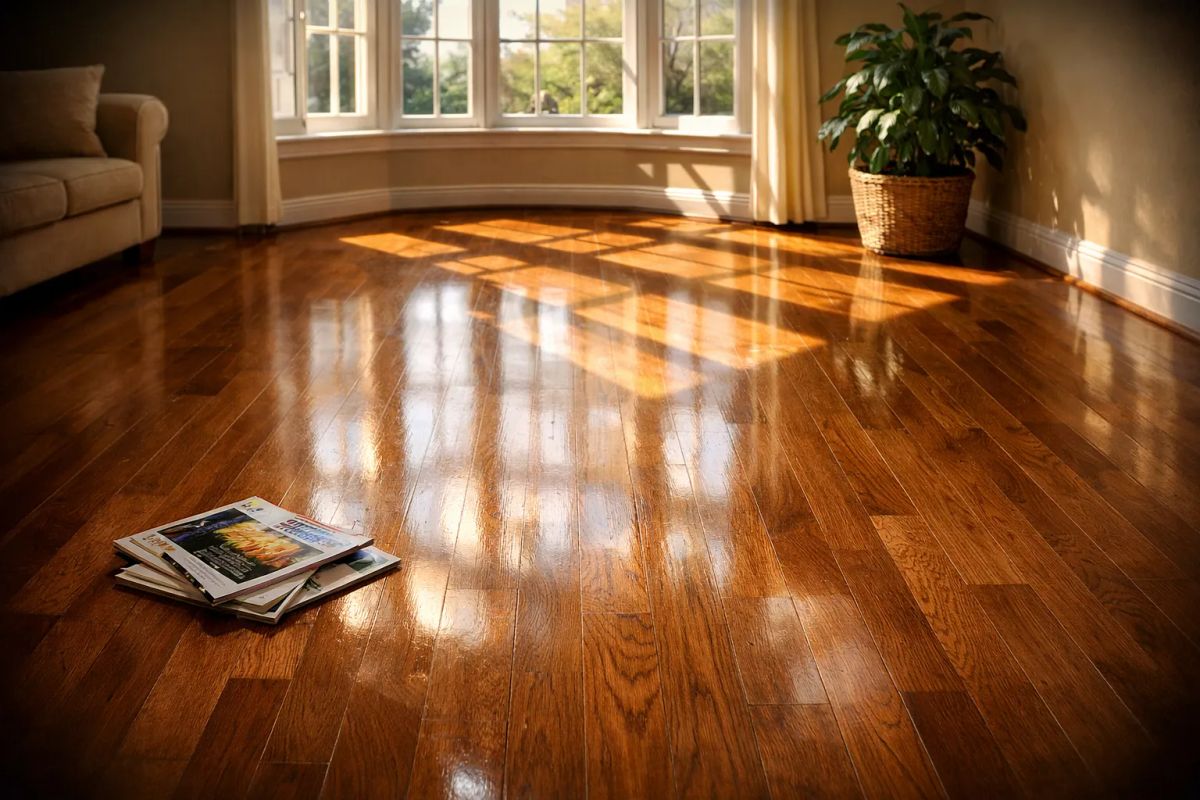
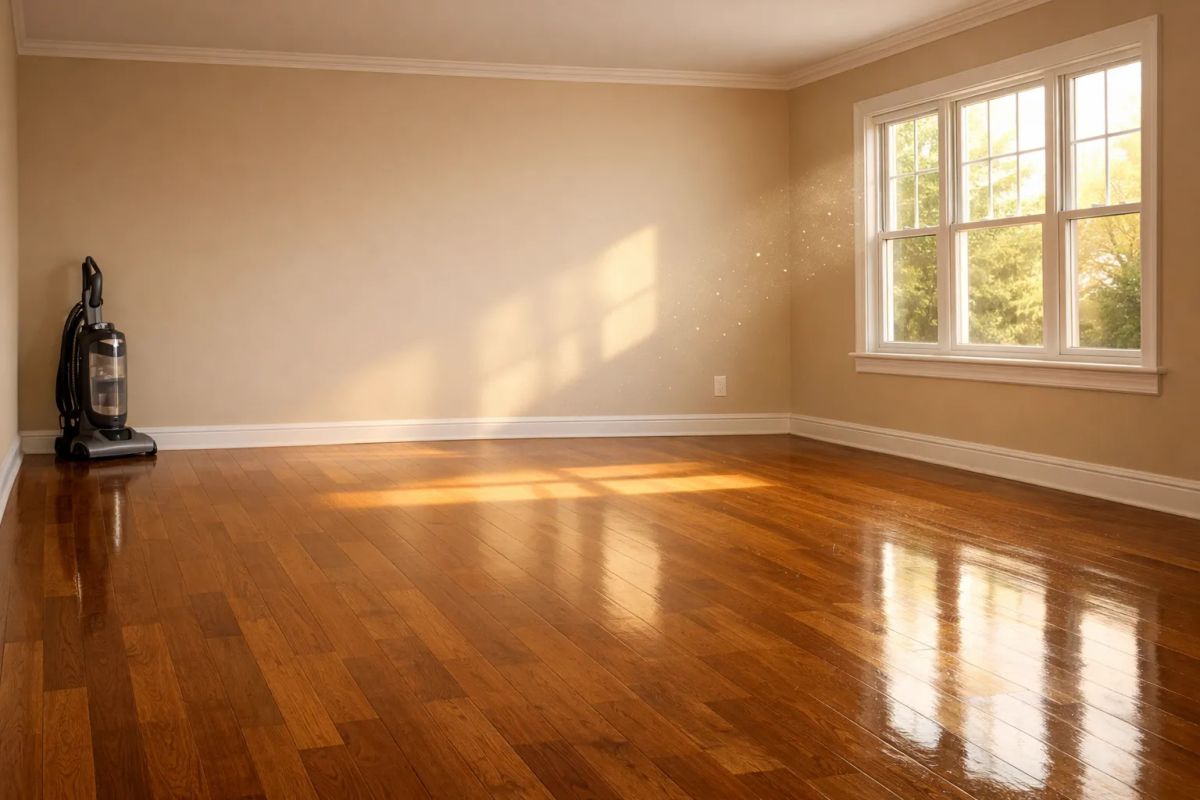
Why Floor Care Deserves More Than a Quick Mop
Do your floors still look dull or feel sticky shortly after they have been cleaned? In Kingstree, South Carolina, heavy rain, red clay, pollen, and daily foot traffic can bring more soil into a workplace than many owners realize. Without the right cleaning method, that grit works like sandpaper against the finish, leaving floors scratched, cloudy, and harder to maintain.
At Ja'kari Group LLC, we clean the floors in offices, medical facilities, retail spaces, and other commercial properties throughout Williamsburg County and surrounding areas. Our team matches the cleaning process to the flooring material, traffic level, and facility schedule instead of treating every surface the same.
We are happy to discuss our current business credentials, insurance, licensing information, and service history when preparing a quote. That conversation also gives us a chance to learn what your floors need now, whether the priority is daily appearance, infection-control support, slip-risk reduction, or protecting a significant flooring investment.

The Right Method Depends on the Floor
Vinyl composition tile, luxury vinyl tile, sealed concrete, ceramic tile, terrazzo, hardwood, and carpet all respond differently to moisture, chemicals, agitation, and finish products. Using too much water on resilient flooring can push moisture into seams, while an overly aggressive pad can damage a finish that took years to develop.
Our team begins by identifying the surface and checking its condition. We look for worn finish, grout discoloration, damaged seams, loose flooring, embedded soil, and areas where outside moisture is being tracked indoors. That inspection helps us choose the safest combination of vacuuming, sweeping, damp mopping, auto-scrubbing, burnishing, extraction, or restorative cleaning.
For routine service, consistency is often more valuable than an occasional dramatic cleanup. A properly scheduled maintenance plan removes abrasive soil before it builds up and keeps your floors presentable between deeper service visits.
Floor Cleaning Starts at the Entryway
A large share of indoor floor soil enters through doors. In Kingstree, South Carolina, wet weather and clay-heavy soil make entrance care especially important. Even a clean building will develop traffic lanes if entry mats are too small, saturated, or rarely vacuumed.
For better results, facility managers should:
- Use outdoor and indoor matting where space allows, with enough length for several footsteps.
- Vacuum mats and entry edges frequently instead of waiting until they look dirty.
- Address water, mud, and spills promptly so they do not spread into corridors.
- Keep walkways clear so cleaners can reach corners, baseboards, and beneath furniture.
- Use warning signs whenever a damp floor is being cleaned and remove them only after the surface is safe.
Our team pays close attention to transition points, elevator areas, reception desks, restrooms, and break rooms because those locations typically receive the most concentrated traffic. Service needs can vary between a downtown office, a busy Five Points retail space, and a medical facility in Forest Acres, so we build the schedule around actual use rather than a one-size-fits-all checklist.
A Practical Commercial Floor-Cleaning Process
Good floor care is a sequence, not simply a bucket and mop. A typical maintenance visit may include these steps:
- Inspect the area. We identify the flooring type, traffic patterns, spots, residue, moisture concerns, and areas needing extra attention.
- Remove dry soil first. Dust mopping or vacuuming prevents loose grit from becoming mud or being pushed across the floor during wet cleaning.
- Treat spots appropriately. Spills, gum, grease, and tracked-in residue often require different products and dwell times. Overusing harsh chemicals can damage finishes and create residue.
- Clean with controlled moisture. We use the appropriate mop, microfiber system, auto-scrubber, or extraction method and avoid leaving unnecessary water behind.
- Inspect the finished surface. We check edges, corners, grout lines, traffic lanes, and areas behind doors before equipment is put away.
- Document maintenance needs. If we see worn finish, damaged transitions, persistent moisture, or flooring that needs restoration, we can recommend the next practical step.
For many offices, nightly or several-times-per-week cleaning keeps floors in good condition. High-traffic retail spaces may need daily attention, while periodic deep cleaning may be appropriate every few months or before a special event. The right frequency depends on occupancy, entrance exposure, floor material, and your appearance standards.
How to Protect Floors Between Professional Visits
Professional service works best when daily habits support it. Building occupants should report spills quickly, avoid dragging furniture, and use chair mats or protective pads where appropriate. Never use household vinegar, bleach, abrasive powders, or an unapproved wax product on commercial flooring without checking the manufacturer's recommendations first.
A few low-cost improvements can make a noticeable difference:
- Replace worn mop heads and microfiber cloths before they begin redistributing soil.
- Keep separate tools for restrooms and general office areas.
- Do not mix cleaning chemicals; dangerous fumes and surface damage can result.
- Use the least amount of product needed and follow the label's dilution instructions.
- Schedule floor refinishing or burnishing before the finish is worn completely through.
- Keep a spill-response kit available in busy areas.
Our Office Cleaning service can incorporate floor care into a broader routine that also addresses touchpoints, restrooms, break rooms, and common areas. For facilities requiring more intensive work, our Deep Cleaning service can target buildup that routine maintenance cannot remove.
When Businesses Need Deep or Restorative Floor Care
Routine mopping cannot correct every problem. Floors may need a deeper service when they have heavy film, embedded soil, recurring odor, dull finish, visible traffic lanes, or grout that remains dark after normal cleaning. Post-construction dust is another concern; fine drywall, joint compound, and construction debris can scratch surfaces if they are dry-swept incorrectly or cleaned with unsuitable equipment.
In our many years of experience serving local properties, we have found that early intervention is usually less disruptive and less expensive than waiting until flooring needs replacement. The exact cost depends on square footage, material, condition, furniture, access, and the level of restoration required. As a general planning guide, routine commercial floor cleaning may take one to three hours for a small office, while a large scrub-and-recoat or extraction project may require a full day or an after-hours schedule.
If your property is being renovated or newly built, our Post-Construction Cleanup team can help remove construction dust and residue before normal occupancy. We can also coordinate timing around employees, patients, customers, or tenants so freshly cleaned floors have adequate drying time.
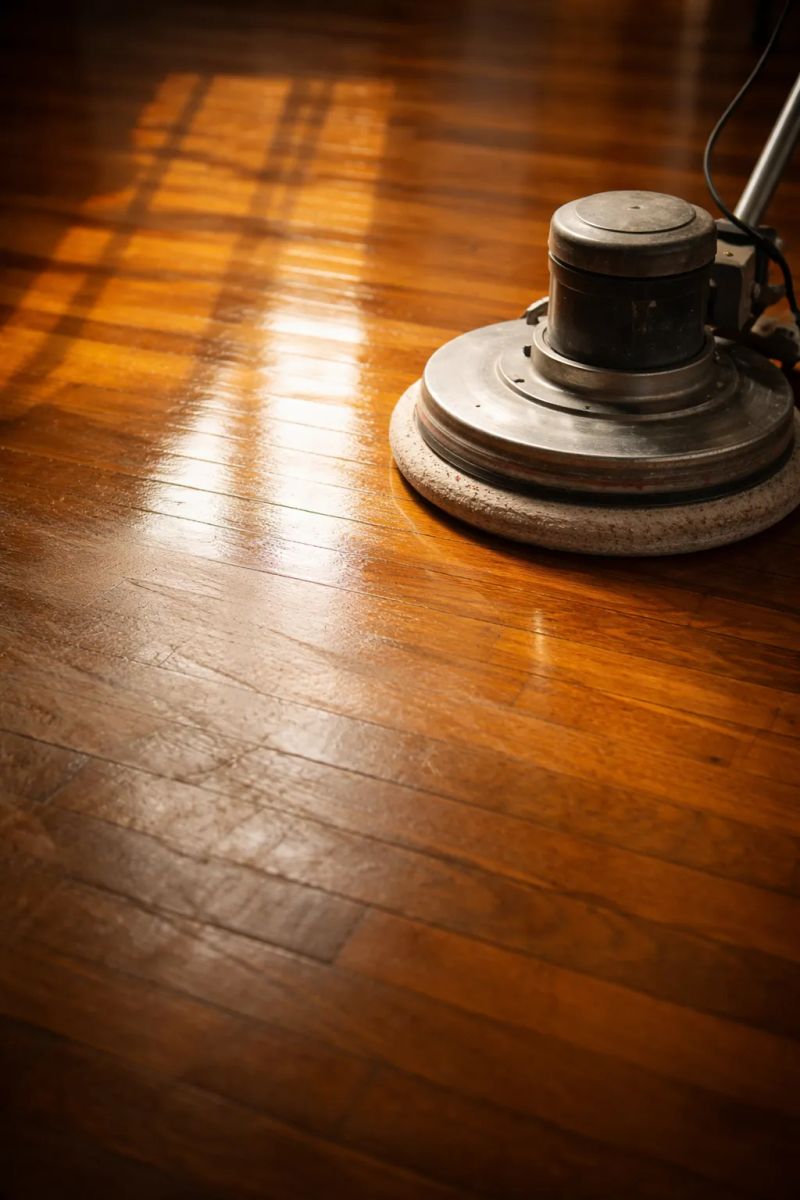
Clean Floors Support Safer, Healthier Workplaces
Floor care affects more than appearance. Removing soil helps reduce the material that can be tracked through a facility, while prompt spill response helps lower slip hazards. In medical environments, cleaning must also follow the facility's procedures for disinfectants, contact times, traffic control, and separation of clean and dirty equipment.
Ja'kari Group LLC provides reliable cleaning for healthier spaces across Williamsburgh County and surrounding areas. We communicate about access, priority rooms, safety concerns, and schedule changes so floor care fits the way your business actually operates. Whether you manage a small office in Andrews, Georgetown, Berkley, Clareden, Florence County and surrounding areas, our goal is dependable results you can see and a process your staff can trust.
Frequently Asked Questions
How often should my business have its floors cleaned?
Most offices benefit from vacuuming or dry soil removal several times per week and damp cleaning at least weekly, while high-traffic retail and medical spaces may need daily service. Ja'kari Group LLC recommends a schedule based on occupancy, entryway exposure, floor type, and how quickly visible soil returns.
Can you clean different types of flooring in the same building?
Yes. Our team can plan separate methods for vinyl, tile, sealed concrete, hardwood, carpet, and other common commercial surfaces. We inspect each area first so the products, equipment, moisture level, and finish protection are appropriate for that material.
Do you clean floors after construction or remodeling?
Yes, our post-construction service helps remove construction dust, fine debris, adhesive residue, and tracked soil before a property opens or reopens. We use a detailed process because construction dust can scratch floors and settle into edges, grout, vents, and fixtures.
Can floor cleaning be done after business hours?
In many cases, yes. We can discuss evening, early-morning, or other low-traffic scheduling for your business needs. The schedule should allow enough drying time before employees, patients, or customers return.
How do I get a floor-cleaning quote from Ja'kari Group LLC?
Contact us with your property location, approximate square footage, flooring materials, traffic level, and the type of service you need. We can then discuss access, timing, current credentials, and whether routine maintenance, deep cleaning, or restorative care is the best fit.